Dog Car Mess: Our First Road Trip Was a Disaster. Here's What Changed.
Table of Contents
Hi. It's Bella.
And before you say "it's just a short car ride" — let me tell you something.
For you, it's a drive.
For us?
It's chaos on four legs.
I used to jump seat to seat, leave fur everywhere, scratch doors, and somehow turn a clean car into a disaster in under 10 minutes.
My human thought that was normal.
It wasn't.
Why Traveling With Dogs Turns Into a Mess
Dogs aren't built to sit still in moving boxes.
We slip. We move. We try to balance. We get excited.
And when there's no structure?
Your car becomes the victim.
Hair. Mud. Scratches. Drool.
Sound familiar?
⚠ The Real Problem
It's not your dog. It's the lack of protection and structure in your car.
So Bella Tested It: The Back Seat Cover
My human finally did something different.
Instead of yelling “stay!” every 3 seconds…
They changed the environment.
They added a full dog car seat cover.
At first, I didn't get it.
Then I jumped in.
And everything changed.
"No slipping. No falling. No chaos. Just… comfort."
— Bella, Certified Backseat Destroyer (Retired)
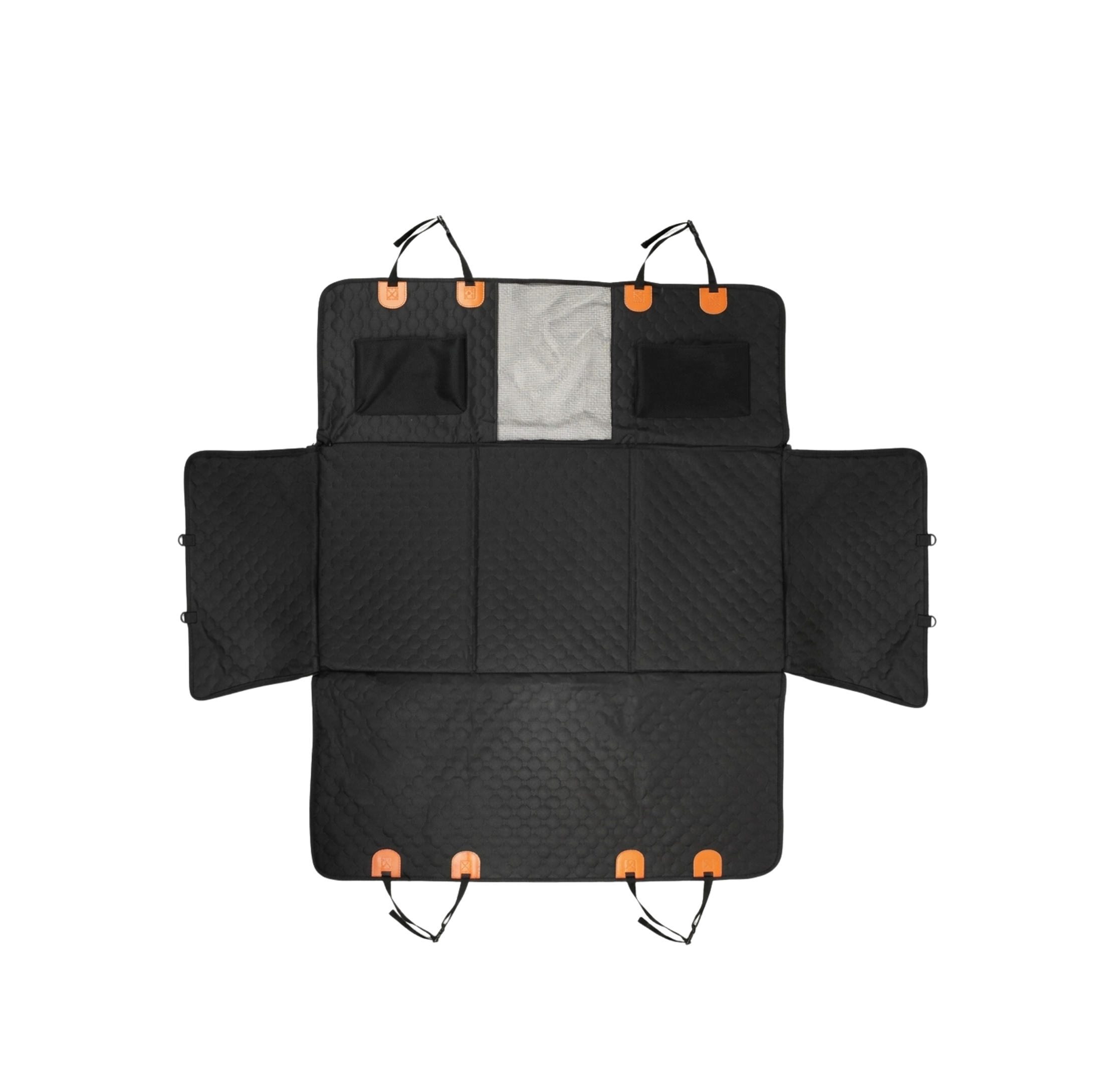
🐾 Bella Approved
Waterproof Dog Car Seat Cover with Mesh Window
$69.99
Protect your car from fur, mud, and scratches with a 6-layer waterproof back seat cover that features a mesh window so your dog can always see you, stay calm, and arrive happy.
View Product →Why This Dog Car Seat Cover Actually Works
This isn't just about keeping your car clean.
It's about giving your dog stability.
Most high-quality covers use durable materials like waterproof Oxford fabric with protective layers that block dirt, water, and scratches while staying easy to clean. :contentReference[oaicite:0]{index=0}
But the real magic?
- Hammock design — prevents falling and slipping
- Waterproof layers — protects from mud, spills, accidents
- Non-slip base — keeps your dog stable during braking
- Full coverage — protects seats AND doors
This turns chaos… into control.
What Changed After Using It
No more jumping between seats.
No more scratching doors.
No more cleaning the car after every trip.
And most importantly — I felt calm.
Because finally, I had a space that made sense.
✓ Quick Check
Does your dog move around constantly in the car? Do you clean your seats after every ride? If yes — you're missing this setup.
Why This Is More Than Just a “Car Accessory”
This is about:
- Safety (less distraction while driving)
- Comfort (your dog feels secure)
- Protection (your car stays clean)
Experts recommend keeping dogs secured in the back seat to reduce distractions and improve safety during travel. :contentReference[oaicite:1]{index=1}
This solves all three at once.
🐾 Bella Approved
Turn Chaos Into Clean, Safe Rides
Tested by Bella. Built for real dog travel.
Ships across USA · Perfect for SUVs & Trucks
The Bottom Line
Your dog isn't “bad” in the car.
Your dog is just trying to balance in a moving space that wasn't built for them.
Fix the environment…
and everything changes.
Less stress. Less mess.
Better rides.
Bella tested it.
Your car will thank you. 🐾