Dog Eating Too Fast: I Inhaled My Food in 10 Seconds. Mom Finally Fixed It.
Table of Contents
Hi. It's Bella.
And if your dog eats like someone is about to steal their food…
We need to talk.
Because I used to do that.
Food hits the bowl…
And it's gone in 10 seconds.
No chewing. No thinking. Just survival mode.
My human thought I was just hungry.
I wasn't. I was bored.
Why Fast Eating Is a Bigger Problem Than You Think
Most humans think fast eating is normal.
It’s not.
Dogs that eat too quickly are at risk of:
- Bloating
- Choking
- Poor digestion
- Overeating
Slow feeder bowls are specifically designed to reduce these risks by forcing dogs to eat slower and think while eating. :contentReference[oaicite:0]{index=0}
But here's the part most people miss…
Fast eating is usually a symptom — not the root problem.
⚠ What Most Owners Get Wrong
They try to slow down eating… without fixing boredom. A bored dog doesn't eat — it inhales.
So Bella Tested It: The Puzzle Feeder
My human finally changed something.
Not the food.
The way I eat.
Instead of a normal bowl…
They gave me a dog puzzle feeder.
At first, I was confused.
Where's my food?
Why do I have to work for it?
Then something clicked.
This wasn’t just eating anymore.
This was a game.
"I didn’t finish in 10 seconds. I stayed. I focused. I actually… enjoyed it."
— Bella, Former Speed Eater
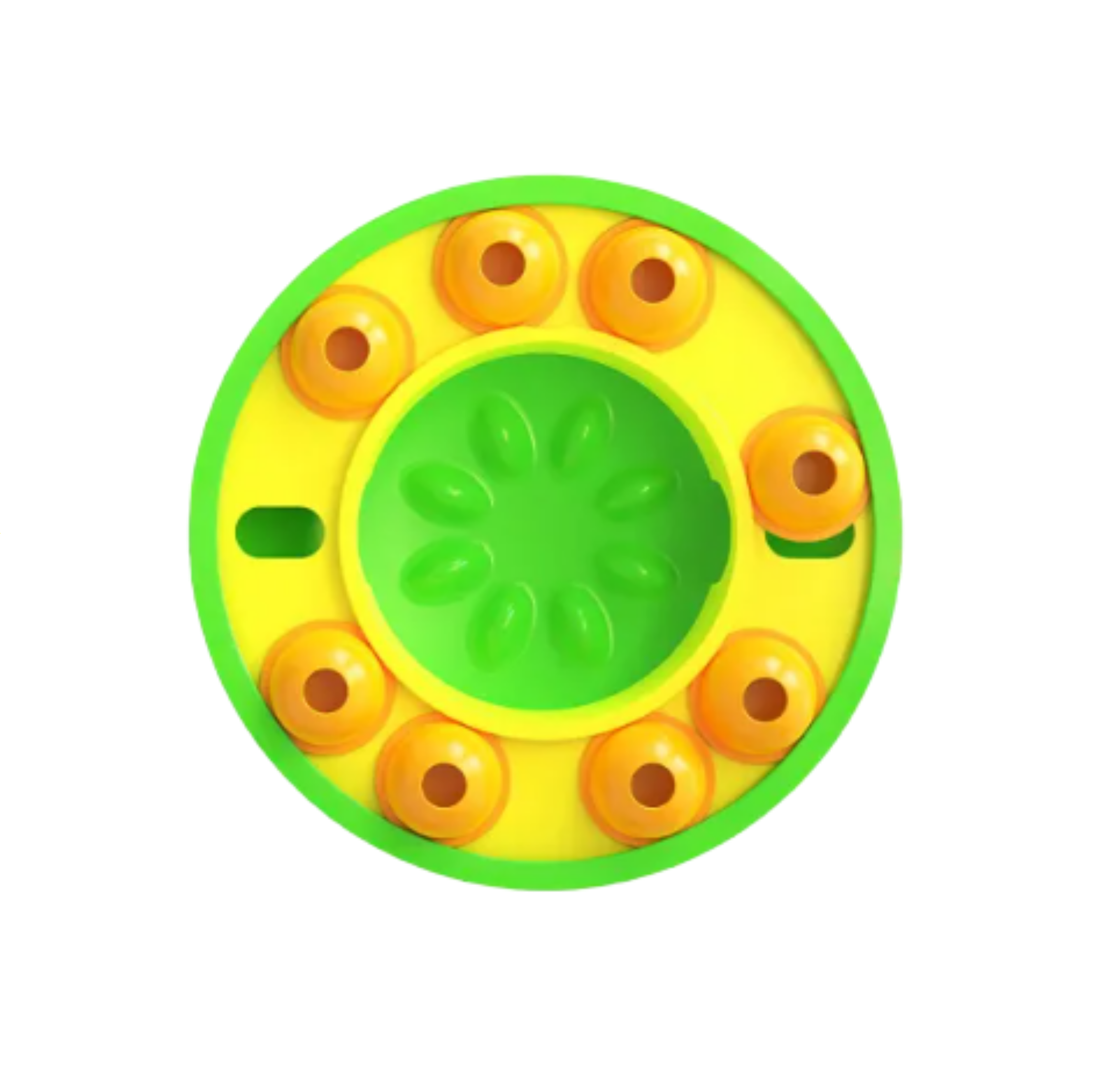
🐾 Bella Approved
Interactive Slow Puzzle Feeder Dog Bowl
$28.00
Stops fast eating, reduces bloating, and turns every meal into brain stimulation.
View Product →Why Puzzle Feeders Actually Work
This isn't just a bowl.
It's stimulation.
Puzzle feeders engage your dog’s natural instinct to hunt and solve problems while eating. :contentReference[oaicite:1]{index=1}
That changes everything.
- Slows eating naturally (no choking or bloating)
- Engages the brain (reduces boredom)
- Creates focus (less destructive behavior)
- Turns meals into activity
Instead of finishing food in seconds…
Your dog stays busy for minutes.
What Changed After Using It
No more inhaling food.
No more begging 5 minutes later.
No more random destruction out of boredom.
Just calm energy.
Because finally… my brain had something to do.
✓ Quick Check
Does your dog finish food in under 30 seconds? Do they act restless after eating? If yes — you're missing this.
This Is More Than Just Feeding
This is:
- Mental stimulation
- Health improvement
- Behavior control
Interactive feeders are designed to make dogs think while eating, improving both digestion and mental health. :contentReference[oaicite:2]{index=2}
And that’s something a normal bowl will never do.
🐾 Bella Approved
Turn Mealtime Into a Brain Game
Stop fast eating. Start real stimulation.
Ships across USA · Works for all dog sizes
The Bottom Line
Your dog isn't “too hungry.”
Your dog isn't “greedy.”
Your dog is under-stimulated.
And eating fast is just the symptom.
Fix the boredom…
and you fix everything else.
Bella tested it.
Your dog will slow down too. 🐾